Maintaining Maximum Efficiency - The struggle to fulfil power output from alternative energy resources

Maintaining Maximum Efficiency - The struggle to fulfil power output from alternative energy resources

With a growing population and increasing demand for electricity to power modern applications such as electric vehicles, energy production across the UK and Europe has expanded over the past decade to complement existing infrastructure.

Solar and Wind power have shown themselves to be popular options, both with national energy providers, and with industrial or warehousing developments that have integrated them on their roofs and other areas within their property boundaries. 

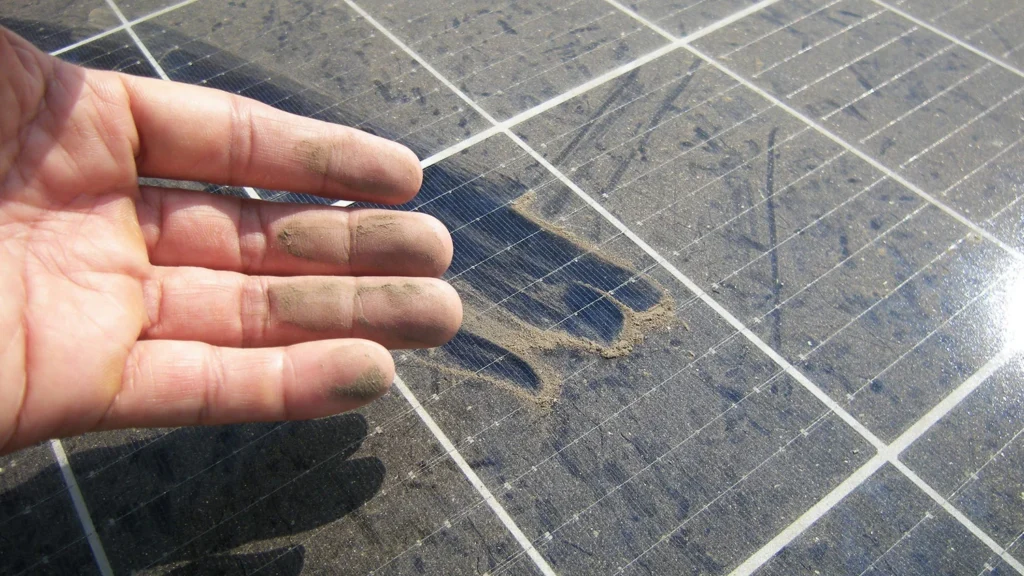
Whilst the initial capital outlay can be offset by the potential savings and ecological benefits of these applications, what is sometimes overlooked is the maintenance required to keep them clean and the loss of output that occurs when they become soiled throughout the year.

In a 2024 peer-reviewed study published in Renewable Energy, researchers found that in parts of Europe where consistent rainfall can be expected, initial modelling of photovoltaic power loss from soiling was as little as 0.9%.

However, with updated modelling and factoring extended dry periods in industrial and agricultural areas where grime can bind to surfaces, the photovoltaic annual loss could rise to between 5% and 15%.

This chart shows how much energy solar panels lose to dirt across different European countries, using the updated soiling model. Each country’s results are based on the average loss calculated from all the individual sites modelled within that country. *


Rainfall is also considered less effective as a cleaning method where panels lie on a flatter surface as the potential runoff is reduced. It is clear that maintaining clean solar panels is vital to achieve the maximum potential power output.

The IEA-PVPS Task 13 report (2022) states that “soiling can slowly build up throughout the years even in those locations where frequent natural cleaning events occur,” recommending periodic manual cleaning to prevent hard-to-remove buildup.

As summers are predicted to get warmer and the expansion of solar panels and wind turbines increase, the demand for cleaning solutions will only increase too. 

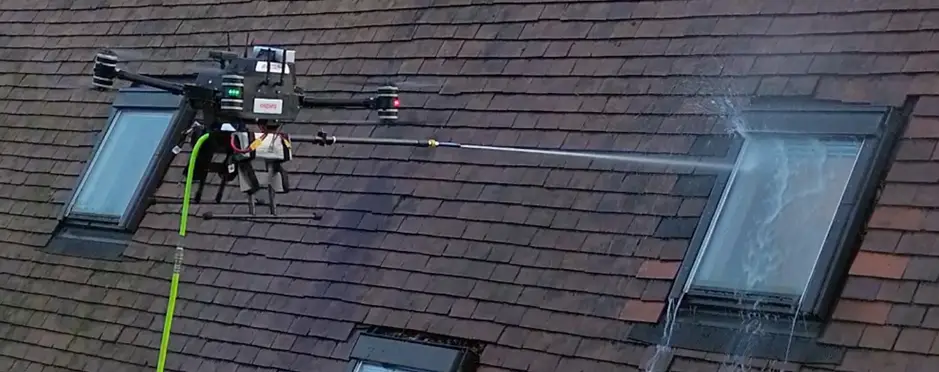
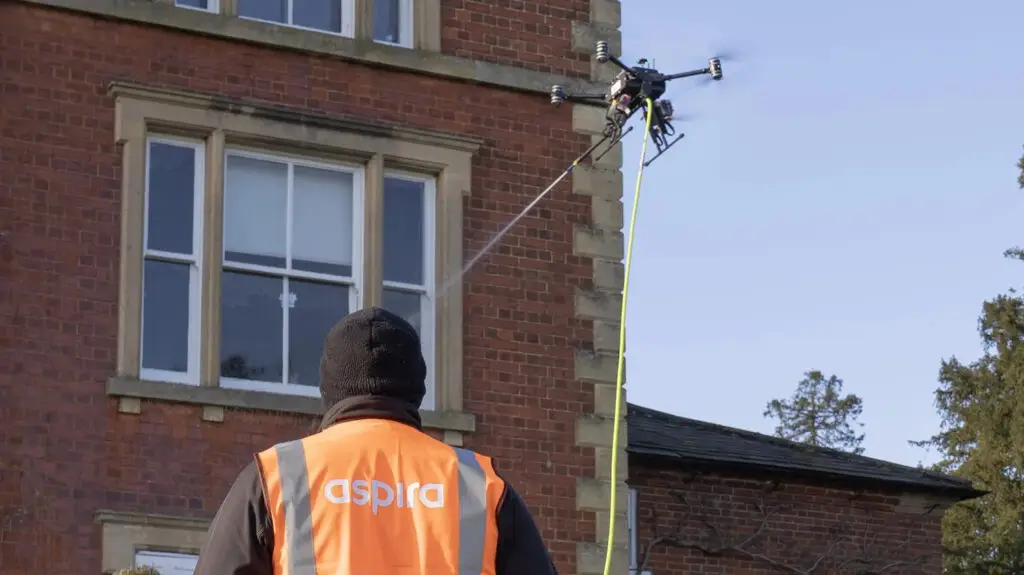
At Aspira, we believe that our autonomous drone system can solve this problem in a way that is ecological, affordable and safer than conventional cleaning methods. With high-pressure, high-flow cleaning performance and the ability to operate for long durations, the AC4.2 is a workhorse that can be employed by dedicated cleaning companies or by trained teams within an organisation itself.

To learn more, contact us today.

----

* Lodi, M., Pellicciari, M., Pravettoni, M., et al. (2024). Modelling the Impact of Soiling on Photovoltaic Systems in Europe. Renewable Energy, 239, 119394. https://doi.org/10.1016/j.renene.2024.119394 – Licensed under CC BY 4.0

**(Source: IEA-PVPS T13-21:2022, p. 62, https://iea-pvps.org)

Back to blog